Are Martial Arts Classes Making a Comeback? What the 2026 Numbers Say
Walk into a martial arts school in Virginia Beach or Chesapeake and you may notice something interesting: the mats are busy, families are asking about children’s programs, and more adults are looking for practical ways to build confidence, improve fitness, and learn self-defense.
So, are martial arts classes making a comeback in 2026?
The short answer is yes, but not in the way many headlines suggest.
The martial arts industry is growing rapidly in size, but the biggest change is not a dramatic surge in new participants. Instead, the 2026 data points to a more competitive market with more schools, broader participation among women and families, and a greater emphasis on keeping students engaged for the long term.
For students and families, that is good news. It means there are more opportunities to train, but choosing a quality, supportive school matters more than ever.
The 2026 Martial Arts Industry at a Glance
According to IBISWorld’s Martial Arts Studios industry data, supported by 2026 industry summaries from Gymdesk, the U.S. martial arts studio market is valued at approximately $21.2 billion in 2026.
There are also roughly 76,000 martial arts studios operating across the country, with IBISWorld-based estimates placing the total at approximately 76,364 businesses.
Those numbers are significant. However, they do not necessarily mean that 76,000 studios are serving a rapidly expanding pool of new students.
Several 2026 industry analyses estimate that approximately 18 million Americans participate in martial arts annually, with overall participation remaining relatively flat. At the same time, the number of studios has grown at an estimated 15.3% compound annual growth rate since 2021.
That creates an important distinction:
- The market is growing.
- The number of studios is growing even faster.
- The total participant pool is not increasing at the same pace.
In other words, martial arts is making a comeback, but the story is more about increased competition, stronger school operations, and better student retention than an overnight explosion in enrollment.
More Studios Mean More Choices, and Higher Standards
When more schools enter an industry, customers gain more choices. That can be beneficial, but it also means every school must clearly demonstrate its value.
A prospective student or parent may now find several martial arts programs within a short drive. They may compare:
- Instructor experience and qualifications
- Class structure and safety
- Program flexibility
- Whether classes are appropriate for beginners
- The school’s atmosphere and community
- Support for individual goals and abilities
- Whether training focuses only on technique or also on personal development
This is especially important for families. Parents are not simply looking for an activity to fill an hour after school. They want programs that help their children develop discipline, focus, respect, confidence, and resilience.
Adults may have equally specific goals. Some want a challenging workout. Others want practical self-defense, stress relief, improved mobility, or a welcoming way to become more active.
The strongest schools in 2026 are responding to these individual needs rather than treating every student the same.
Retention Is Becoming the Real Measure of Success
With participation relatively flat and studio competition increasing, retaining students is more important than simply attracting new ones.
That is true for the industry, and it is also true for students themselves. Martial arts delivers the greatest benefits when a person trains consistently over time.
A few weeks of classes may provide a useful introduction. Several months can improve fitness and confidence. Continued training can create lasting habits, stronger discipline, and measurable progress toward meaningful goals.
The 2026 Gymdesk benchmark data offers a useful insight: students who attend classes three or more times per week leave at approximately half the rate of students who rarely attend. Attendance, connection, and progress are closely linked.
This reinforces what experienced instructors see every day. Students are more likely to continue when they:
- Feel welcomed from their first class
- Understand what they are learning and why
- Receive personal attention from instructors
- Can see their own improvement
- Build friendships and a sense of belonging
- Have goals that are challenging but achievable
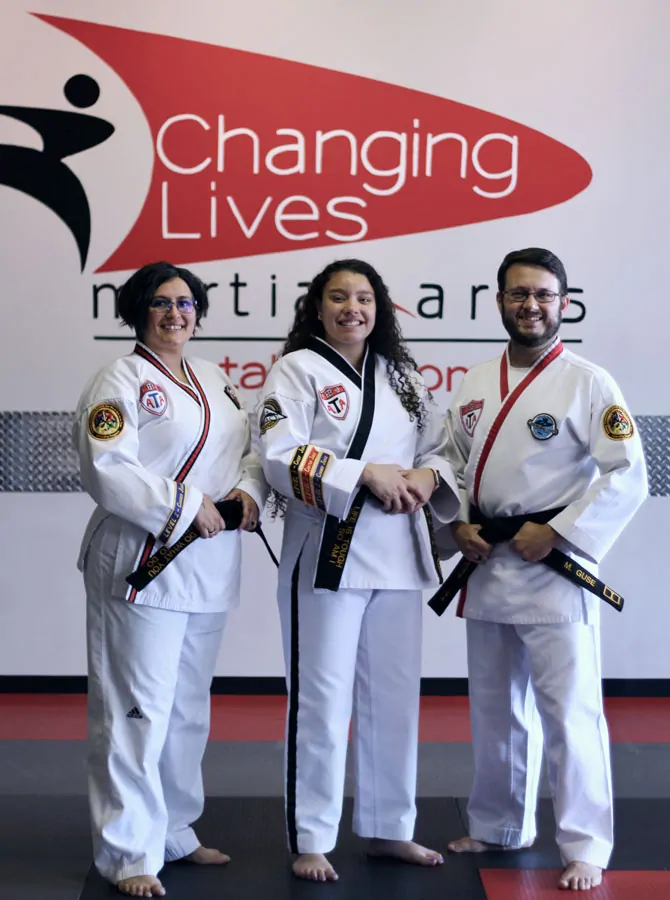
At Changing Lives Martial Arts, personalized instruction is central to that process. Our instructors work with students at different experience levels, fitness levels, ages, and abilities. The objective is not to force every person into the same mold. It is to help each student move forward from where they are today.
Women Are Helping Shape the Next Chapter of Martial Arts
One of the clearest demographic changes in martial arts is the growing participation of women.
Women now represent approximately 30% to 40% of martial arts participants, compared with roughly 20% a decade ago, according to 2026 industry summaries including Dojo Practice’s martial arts statistics.
The growth is especially visible in practical self-defense and fitness-focused programs such as Krav Maga, kickboxing, Brazilian jiu-jitsu, and Muay Thai.
There are several reasons for this shift. Women are seeking:
- Practical skills for real-world situations
- Greater awareness and confidence
- A challenging full-body workout
- A supportive community
- Training that does not require prior athletic experience
- A stronger sense of personal capability
Krav Maga has become particularly appealing because it emphasizes practical techniques, instinctive movement, awareness, and realistic training scenarios. It is designed to be accessible to people who may not have a background in competitive sports or traditional martial arts.
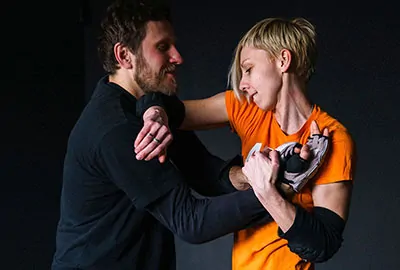
Changing Lives Martial Arts offers certified Krav Maga training for students of different backgrounds and ability levels. Our Krav Maga program combines self-defense instruction with a demanding workout, helping students develop both physical skills and mental readiness.
Kids’ Martial Arts Remains a Strong Opportunity
Children’s programs continue to be one of the most important parts of the martial arts industry.
The broader youth-sports landscape supports this trend. The Aspen Institute’s Project Play research reported that approximately 65% of U.S. youth ages 6 to 17 participated in sports in 2024, the highest rate recorded since 2012.
At the same time, demand for structured after-school activities remains much higher than available supply. The Afterschool Alliance has reported that nearly 30 million children would participate in after-school programs if one were available to them.
Martial arts is well suited to meet that need because it provides more than physical activity. A thoughtfully designed children’s program can help students practice:
- Following directions
- Listening and focus
- Respect and courtesy
- Self-control
- Goal setting
- Persistence after mistakes
- Confidence in social situations
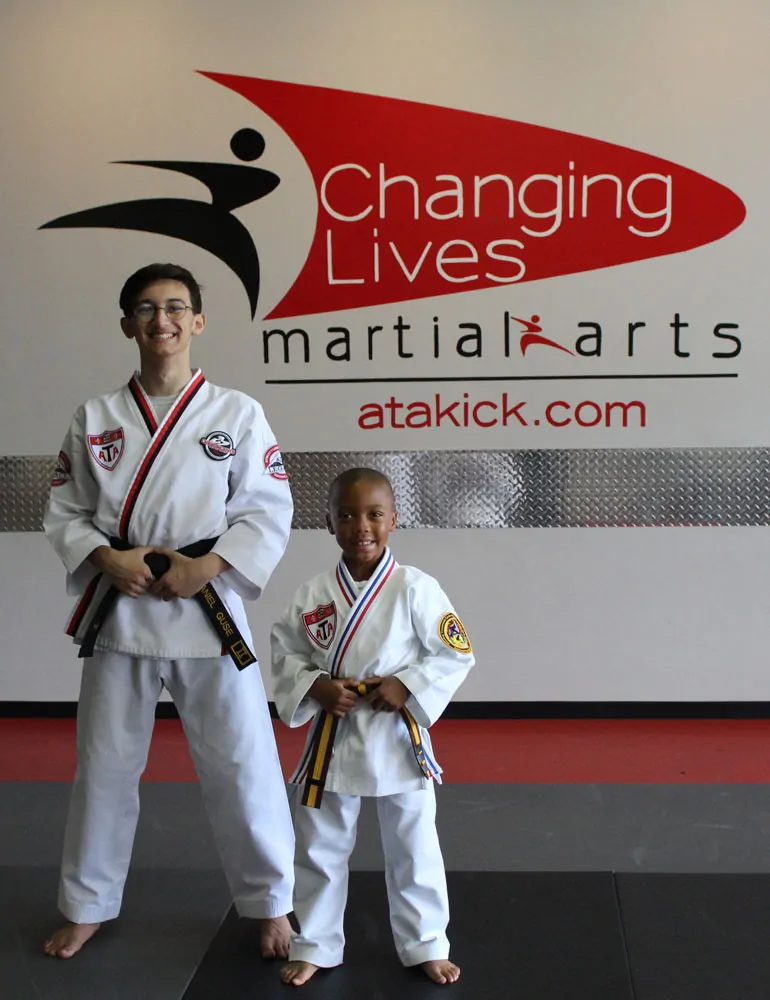
Changing Lives Martial Arts’ Karate for Kids program is built around these broader outcomes. Students learn martial arts skills while developing habits that can support them at home, at school, and in their relationships with others.
Inclusive Training Is Part of the Future
Another important trend in 2026 is the movement toward more inclusive martial arts programs.
Students do not all learn in the same way. Some need more repetition, additional encouragement, modified activities, or a different pace of instruction. Others may be managing physical, developmental, sensory, or learning differences.
A quality martial arts school should be prepared to recognize those differences and respond with patience and flexibility.
Changing Lives Martial Arts offers programs for students of all ages and abilities, including specialized support for individuals with special needs. Led by LainaLee Rambow, the academy focuses on creating a safe and supportive environment where every student can work toward personal goals.
That may mean improving coordination, building confidence, learning self-defense, increasing focus, or simply becoming more comfortable participating in a group setting.
What the Numbers Mean for Local Students
National statistics are useful, but they do not tell the whole story. The most important question for a local family or adult is not whether the U.S. market is worth $21.2 billion.
It is:
Will this school help me, or my child, reach a meaningful goal?
In a competitive market, the answer depends on the quality of the experience. Look for a school that offers:
- Experienced and engaged instructors
- A clear, structured curriculum
- Programs for your age and ability level
- A positive approach to discipline
- Practical self-defense instruction where appropriate
- A welcoming environment for beginners
- Opportunities to build relationships and confidence
- Individual attention rather than a one-size-fits-all approach
At Changing Lives Martial Arts, students can choose from Karate for Kids, Krav Maga, and Adult Martial Arts. Each program is designed to support both physical development and personal growth.
We serve students at our Holland location in Virginia Beach and our Greenbrier location in Chesapeake. The Greenbrier facility has served the local community since 1996, providing training for children, adults, military members, law enforcement officers, city employees, firefighters, and civilians.
So, Are Martial Arts Classes Making a Comeback?
Yes: but it is a thoughtful, competitive comeback.
The 2026 numbers show a large and growing martial arts industry, with approximately $21.2 billion in market value and more than 76,000 studios nationwide. They also show that participation is relatively stable, meaning schools cannot rely on a rising tide of new students to succeed.
The winners will be the schools that help students stay committed and make real progress.
That means offering practical programs, building confidence, welcoming women and beginners, supporting children and families, and adapting instruction for students with different needs. It means creating a community where people feel seen, supported, and motivated to continue.
That is the kind of training we provide at Changing Lives Martial Arts.
If you are in Virginia Beach, Chesapeake, or nearby communities and want to explore martial arts for yourself or your family, contact Changing Lives Martial Arts to learn more about available programs and locations.
The industry may be changing. The purpose of martial arts remains the same: helping people become stronger, more confident, and better prepared for life.