
The First Week of School is the Hardest : Here’s How to Help Your Kid Reset
The first week of school can be exciting, but it can also be exhausting. New teachers, unfamiliar routines, earlier mornings, classroom expectations, homework, social pressures, and a full day of “holding it together” can leave kids running on empty by the time they get home.
If your child seems unusually irritable, emotional, quiet, clingy, or tired this week, it does not necessarily mean something is wrong. They may simply need time to reset.
For families in Virginia Beach and Chesapeake, a predictable after-school routine can help make the transition easier. With the right balance of food, downtime, movement, connection, and sleep, children can gradually regain their energy and confidence. A consistent activity such as martial arts can also give them a positive anchor during a week when everything else feels new.
Why the First Week Back Can Feel So Difficult
Children are adjusting to more than a new school schedule. They are learning how to:
- Wake up earlier and manage a busy morning
- Follow new classroom rules and expectations
- Navigate relationships with teachers and classmates
- Focus for longer periods
- Remember assignments, supplies, and instructions
- Handle changes in their environment and daily responsibilities
That is a lot of mental and emotional work.
Many children manage their emotions throughout the school day, then release all that built-up stress once they are home. This can look like a meltdown over a small problem, resistance to homework, an argument with a sibling, or a sudden need for extra reassurance.
The transition from school to home can be especially challenging for children who learn and think differently. As Understood explains, fatigue, hunger, stress, and executive-function challenges can all make the after-school changeover more difficult.
The goal is not to create a perfect week. The goal is to make the week feel manageable.
Start With a Simple After-School Reset
A reset routine does not need to be complicated. In fact, the simpler it is, the easier it will be for your child to follow when they are tired.
Try using the same general sequence each afternoon:
- Refuel
- Decompress
- Connect
- Complete one priority
- Move and enjoy family time
- Wind down for bed
The exact timing will look different for every family, but the predictable order helps children know what comes next.
1. Offer a Snack and Water First
Before asking about homework or how the day went, offer your child something to eat and drink. Hunger can make tiredness, frustration, and emotional reactions much stronger.
A simple snack might include:
- Fruit and cheese
- Yogurt and granola
- A peanut butter sandwich, if appropriate for your family
- Vegetables and hummus
- A smoothie
- Water or milk
Think of this as refueling the body before asking the brain to do more work.
You may also find that “What would you like for a snack?” gets a better response than “How was school?” during the first few minutes after pickup.
2. Build in 15 to 20 Minutes of Downtime
After a long day, many kids need a quiet transition before they can handle another request. Understood recommends building in time to de-stress and regroup, while PBS KIDS encourages families to create welcoming after-school moments.
Downtime could include:
- Reading
- Drawing or coloring
- Building with blocks or LEGO
- Listening to music
- Playing outside
- Taking a quiet rest
- Spending a few minutes with a favorite toy
- Using a sensory activity or fidget, when helpful
Downtime does not mean your child is being lazy. It gives them an opportunity to switch from school mode to home mode.
For some children, movement works better than quiet time. A walk around the neighborhood, a few minutes of backyard play, or a short stretching routine may help them release tension and feel more settled.

Use Martial Arts as a Positive Weekly Anchor
A consistent martial arts class can become an important part of your child’s after-school reset: not another burden on an already-full schedule.
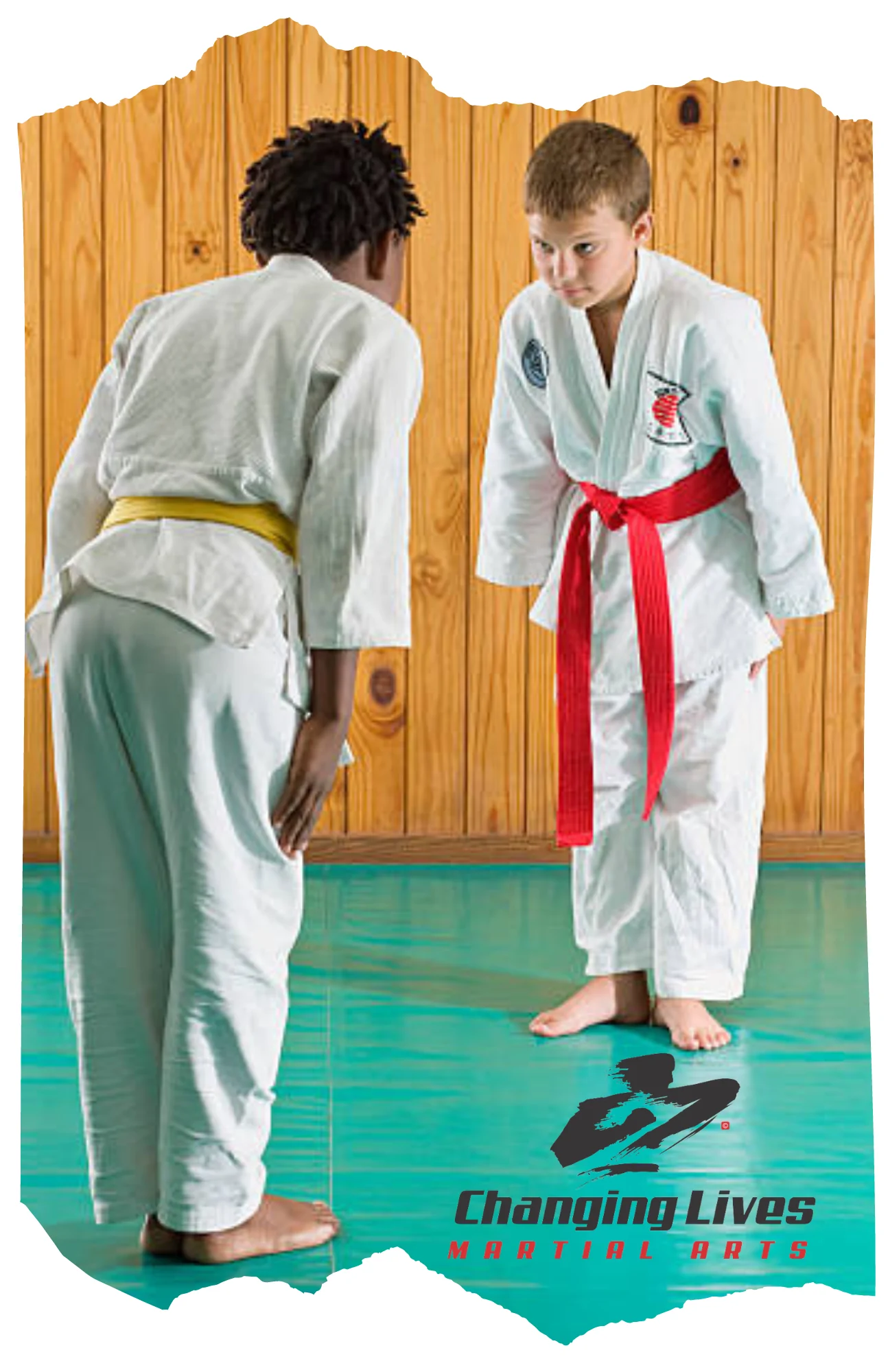
At Changing Lives Martial Arts, our Karate for Kids program gives children a structured opportunity to move, focus, learn, and connect with a supportive community. Classes provide a clear beginning, middle, and end, which can be reassuring during the first week of school when so much else is unfamiliar.
Martial arts can help your child:
- Burn off physical energy in a positive environment
- Practice listening and following directions
- Focus attention on one skill at a time
- Build confidence through achievable goals
- Develop self-control and emotional regulation
- Experience encouragement from instructors and classmates
- Reconnect with a familiar routine after a long school day
The key is to make martial arts the movement portion of your child’s routine: not one more item squeezed into an already stressful evening.
On class days, try this sequence:
School → snack and water → short decompression period → martial arts class → dinner → homework or preparation for tomorrow → bedtime routine
Some children will need more downtime before class. Others may benefit from heading to class soon after a snack because movement helps them regulate. Pay attention to your child’s energy and adjust when needed.
The first week is also a good time to avoid over-scheduling. If your child is truly worn out, talk with your family and instructors about what is realistic. A sustainable routine is more valuable than trying to do everything at once.
Let the Routine Build More Than Fitness
The benefits of a consistent martial arts routine extend beyond physical activity. At Changing Lives Martial Arts, children practice important character skills every time they step onto the training floor.
Our Karate for Kids program focuses on respect, courtesy, self-control, discipline, focus, confidence, and resilience. These qualities are especially valuable during the first week of school.
A child who practices focus in class can begin applying that focus to classroom work. A child who learns to try again after a difficult technique can begin viewing school challenges as opportunities to grow. A child who practices courtesy and respect can carry those habits into interactions with teachers, classmates, siblings, and friends.

Progress in martial arts also gives children regular chances to experience success. They do not need to master everything immediately. They learn one skill, improve through repetition, receive feedback, and gradually become more capable.
That process sends a powerful message:
“I may not know how to do this yet, but I can keep practicing.”
That mindset can help a child approach a new classroom, a challenging assignment, or an uncomfortable social situation with greater confidence.
Ask Better Questions at the End of the Day
Many parents ask, “How was school?” and receive “Fine” or “I don’t know.” That response is common, especially when a child is tired.
Try asking specific questions that are easier to answer:
- What was one part of today that felt easy?
- What was one thing that made you laugh?
- What was the most tiring part of the day?
- Did you learn anything surprising?
- Who did you talk to today?
- What is one thing you need for tomorrow?
- Was there anything that felt confusing or uncomfortable?
Do not turn every conversation into an interview. Sometimes your child will talk while eating, riding in the car, getting ready for bed, or doing something side by side with you.
Most importantly, listen without immediately trying to fix everything. You can say:
- “That sounds like a lot for one day.”
- “I can understand why that felt frustrating.”
- “You handled a big change today.”
- “We can figure out tomorrow together.”
Make the Plan Visible
Children are more likely to follow a routine when they can see it. Create a simple checklist and place it near the door, in the kitchen, or wherever your child begins the afternoon.
For younger children, use pictures. For older children, write out the steps or add reminders to a phone.
An after-school checklist might say:
- Put backpack in its place
- Drink water
- Eat snack
- Take 15 minutes to reset
- Attend martial arts class or complete homework
- Eat dinner
- Pack backpack
- Choose clothes for tomorrow
- Brush teeth
- Read or relax
- Go to bed
Invite your child to help create the list. PBS KIDS recommends involving children in conversations about routines and responsibilities. Giving your child a voice can increase cooperation and help them practice independence.
The routine should be consistent, but it does not have to be rigid. If something is not working, discuss it and make a reasonable adjustment.
Protect Sleep as Much as Possible
The first week back often reveals how much sleep your child really needs. Early mornings, new expectations, and physical activity can quickly add up.
Try to:
- Keep bedtime and wake-up time consistent
- Begin the bedtime routine before your child is overtired
- Limit screens before bed
- Prepare backpacks and clothes the night before
- Keep evening plans simple
- Allow extra time in the morning
A calm bedtime can make the next morning easier, which then makes the next afternoon easier. Small improvements can create a helpful cycle.
Remember: Adjustment Takes Time
Your child does not have to feel completely settled by the end of the first week. Some children adjust quickly, while others need several weeks to feel comfortable with a new grade, teacher, school, or schedule.
Look for small signs of progress:
- Your child gets ready with fewer reminders
- Afternoons become less emotional
- Homework takes less time
- Your child talks more openly about school
- Bedtime becomes easier
- They begin looking forward to an activity or part of the day
These small victories matter.
At Changing Lives Martial Arts, led by LainaLee Rambow, we help students in Virginia Beach and Chesapeake develop the skills they need to grow both on and off the mat. With locations serving families at Holland and Greenbrier, our academy offers a supportive community where children can build confidence, discipline, focus, resilience, and healthy routines.
The first week of school may be hard: but your child does not have to navigate it alone. Create a simple reset routine, protect time for rest, add positive movement, and give your child consistent opportunities to feel capable.
Sometimes the best way to help a child begin again is to give them one familiar step to take.
Learn more about the benefits of martial arts training or discover why families choose Changing Lives Martial Arts.