Struggling to Get Your Kid to Listen? 10 Discipline-Building Habits Straight From the Mat
August 31, 2026
Struggling to Get Your Kid to Listen? 10 Discipline-Building Habits Straight From the Mat
“Why do I have to ask five times?”
If you have said this recently, you are not alone. Getting children to listen, follow through, and manage big emotions can be one of the most challenging parts of parenting.
But discipline does not have to mean punishment, fear, or constant correction. Discipline is a skill children can build over time, just like coordination, reading, or riding a bike. With clear expectations, consistent practice, and encouragement, children can learn to pause, focus, try again, and make responsible choices.
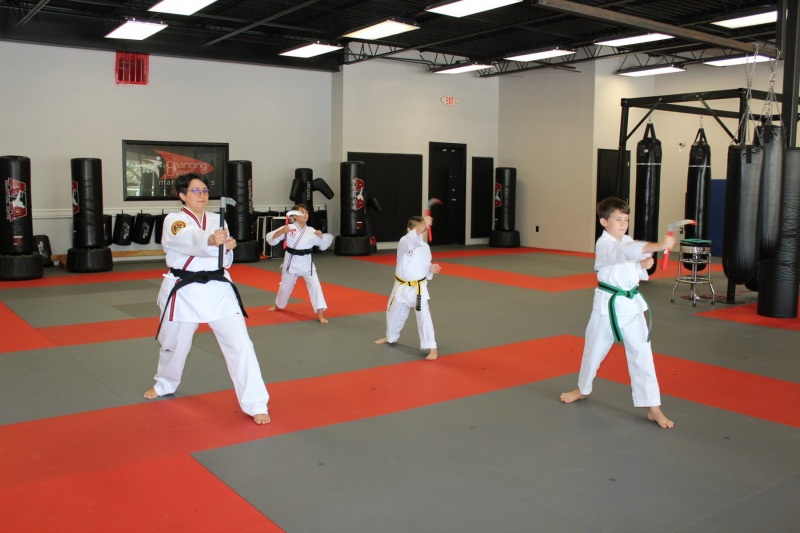
That is one reason martial arts can be such a powerful experience for children. On the mat, discipline is not just discussed. It is practiced through small, repeatable habits that gradually become part of a child’s everyday life.
At Changing Lives Martial Arts, our Karate for Kids program helps children develop focus, discipline, confidence, respect, and resilience in a supportive environment. Here are 10 habits parents in Virginia Beach and Chesapeake can bring home from the mat.
1. Use a “bow in” ritual to create a fresh start
In martial arts, students often begin class with a bow. It is a simple action, but it sends an important message:
We are transitioning from whatever happened before and preparing to be present.
Children can benefit from similar fresh-start rituals at home. A ritual might be:
- Taking one deep breath before starting homework
- Putting a backpack in the same place after school
- Washing hands and sitting at the table before dinner
- Saying, “I’m ready to listen,” before receiving instructions
The goal is not perfection. The goal is to create a predictable transition that helps your child shift attention.
Try saying, “Let’s have our fresh start,” when your child comes home, begins a chore, or needs to reset after a difficult moment.
2. Practice one instruction and one action
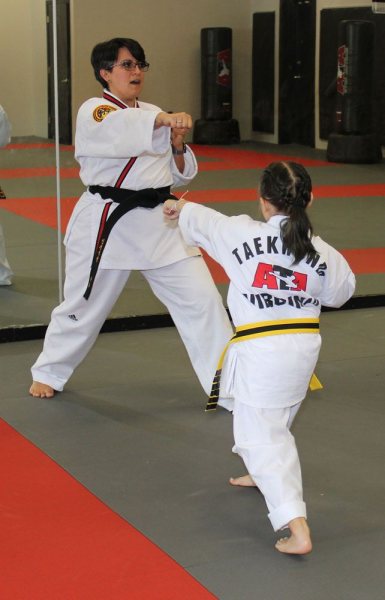
On the mat, an instructor may give one clear direction, and students immediately practice that movement. They learn to listen for the instruction, understand it, and take action.
At home, long lists can overwhelm children. Instead of saying, “Clean your room, put away your shoes, feed the dog, and get ready for bed,” start with one specific instruction:
“Please put your shoes in the closet.”
Once that is complete, give the next step.
This approach is not about lowering expectations. It is about teaching your child how to process instructions successfully. You can even make it a practice rep:
- Get your child’s attention.
- Give one clear direction.
- Ask them to repeat it back if needed.
- Let them complete it.
- Acknowledge the follow-through.
Specific, calm instructions are generally more effective than repeated reminders or long lectures. HealthyChildren.org recommends clear expectations and consistent, age-appropriate discipline.
3. Show up consistently: even when it is hard
Discipline grows when children learn that progress comes from showing up repeatedly, not only when they feel motivated.
Some days, your child may be excited for class. Other days, they may be tired, distracted, or discouraged. Continuing to attend and participate teaches a valuable lesson:
Feelings can be real without deciding every action.
The same principle applies at home. A child may not always feel like doing homework, brushing their teeth, practicing an instrument, or completing a chore. You can acknowledge the feeling while maintaining the expectation:
“I know you do not feel like starting. We are going to do the first step together.”
Consistency does not mean ignoring your child’s needs. It means building reliable routines while making reasonable adjustments when necessary.
4. Break big goals into small belt-rank steps
A black belt can seem impossibly far away to a beginner. Martial arts makes that long-term goal manageable by breaking it into smaller steps: attend class, learn skills, practice, improve, and work toward the next belt.
Parents can use the same strategy for goals at home.
Instead of focusing only on “Get better grades,” help your child choose a smaller action:
- Read for 15 minutes tonight
- Complete the first five math problems
- Pack tomorrow’s school bag before bedtime
- Practice one skill for five minutes
- Put laundry in the basket for one week
Small goals give children a clear target and an opportunity to experience progress. Over time, those small steps build confidence and perseverance.
Ask, “What is the next step?” rather than, “Why haven’t you finished everything yet?”
5. Breathe before reacting
Self-control is a central part of discipline. On the mat, children learn that rushing, panicking, or reacting without thinking can make a challenge harder.
A simple breathing habit can help children pause before responding to frustration.
Teach your child to:
- Stop moving.
- Breathe in slowly.
- Breathe out slowly.
- Name what they are feeling.
- Choose the next helpful action.
You can practice this when everyone is calm. Try “three quiet breaths” before homework, during sibling disagreements, or when your child makes a mistake.
As a parent, model the habit yourself. Saying, “I’m frustrated, so I’m going to take a breath before I answer,” shows your child that emotional control is something everyone practices.
6. Respect the instructor and classmates
Martial arts classes teach children that respect is an action, not just a word. Students listen while others are speaking, take turns, follow safety rules, and treat training partners with care.
These expectations can translate directly to family life:
- Look toward the person speaking
- Wait for your turn
- Use a respectful voice
- Keep your hands and body under control
- Encourage others instead of laughing at mistakes
Respect does not mean children are never allowed to disagree. It means they learn how to express disagreement appropriately.
At Changing Lives Martial Arts, our goal is to create a safe, supportive, and inclusive community where students of all ages and abilities can grow. You can learn more about the program’s leadership and approach by meeting Chief Instructor LainaLee Rambow.

7. Finish what you start
A child does not need to finish every activity they begin. Interests change, and sometimes quitting is the right choice. But children should also learn the difference between making a thoughtful decision and giving up simply because something became difficult.
On the mat, finishing may mean completing a drill, staying engaged through the end of class, or attempting a skill one more time.
At home, “finish what you start” might look like:
- Completing the agreed number of homework problems
- Putting away the art supplies after creating
- Finishing a short household task
- Cleaning up one activity before beginning another
Keep the expectation appropriate for your child’s age. The point is to build follow-through: not create unnecessary battles.
8. Celebrate small wins and genuine effort
Discipline becomes stronger when children notice that their effort matters. Do not wait for a perfect performance, a new belt, or a spotless room before offering encouragement.
Look for small wins:
- “You listened after the first reminder.”
- “You kept practicing even though that move was difficult.”
- “You calmed your body before answering.”
- “You remembered the routine without help.”
- “You corrected your mistake and tried again.”
Specific praise helps children understand exactly which behavior to repeat. It also shifts the focus from being naturally “good” or “bad” at something to building skills through effort.
Positive discipline guidance from UNICEF emphasizes connection, clear boundaries, and helping children learn: not simply punishing mistakes.
9. Recover quickly after mistakes
Every martial artist makes mistakes. A stance may be off. A sequence may be forgotten. A student may lose focus or respond too quickly.
The important lesson is not “Never make a mistake.” It is:
Notice it, learn from it, and return to practice.
Parents can teach the same recovery pattern:
- Stop and acknowledge what happened
- Take responsibility without excessive shame
- Identify what to try next time
- Make a repair if someone was affected
- Rejoin the task
You might say:
“That did not go the way you wanted. What can you do next?”
This helps children develop resilience and prevents one mistake from becoming an excuse to abandon the entire effort.
10. Leave the mat better than you arrived
A powerful martial arts mindset is to leave training a little better than when you started. “Better” does not always mean stronger or faster. It might mean more focused, more patient, more respectful, or more willing to try.
Families can turn this into a daily reflection:
- What did you improve today?
- When did you show discipline?
- Did you help someone?
- What will you practice tomorrow?
The answer may be very small: and that is okay. A child who sat through homework with fewer reminders, apologized to a sibling, or tried again after frustration made meaningful progress.
Discipline is built one practice rep at a time
If your child struggles to listen, the answer is not necessarily harsher consequences or louder reminders. Often, children need clear routines, manageable expectations, consistent follow-through, and opportunities to practice self-control.
That is the heart of positive discipline: helping children develop the tools to make better choices for themselves.
Through Karate for Kids at Changing Lives Martial Arts, children practice these habits in a structured, encouraging setting. They learn that discipline is not about being perfect. It is about showing up, paying attention, respecting others, finishing the next step, and trying again.
Our academy serves families in Virginia Beach and Chesapeake, with locations in Holland and Greenbrier. To see students and instructors in action, visit the Changing Lives Martial Arts gallery, or contact us to learn more about getting started.
Your child does not have to master discipline all at once. Start with one habit this week. Practice it consistently. Celebrate the small improvements.
One rep at a time, your child can become more focused, confident, resilient, and ready to lead both on and off the mat.