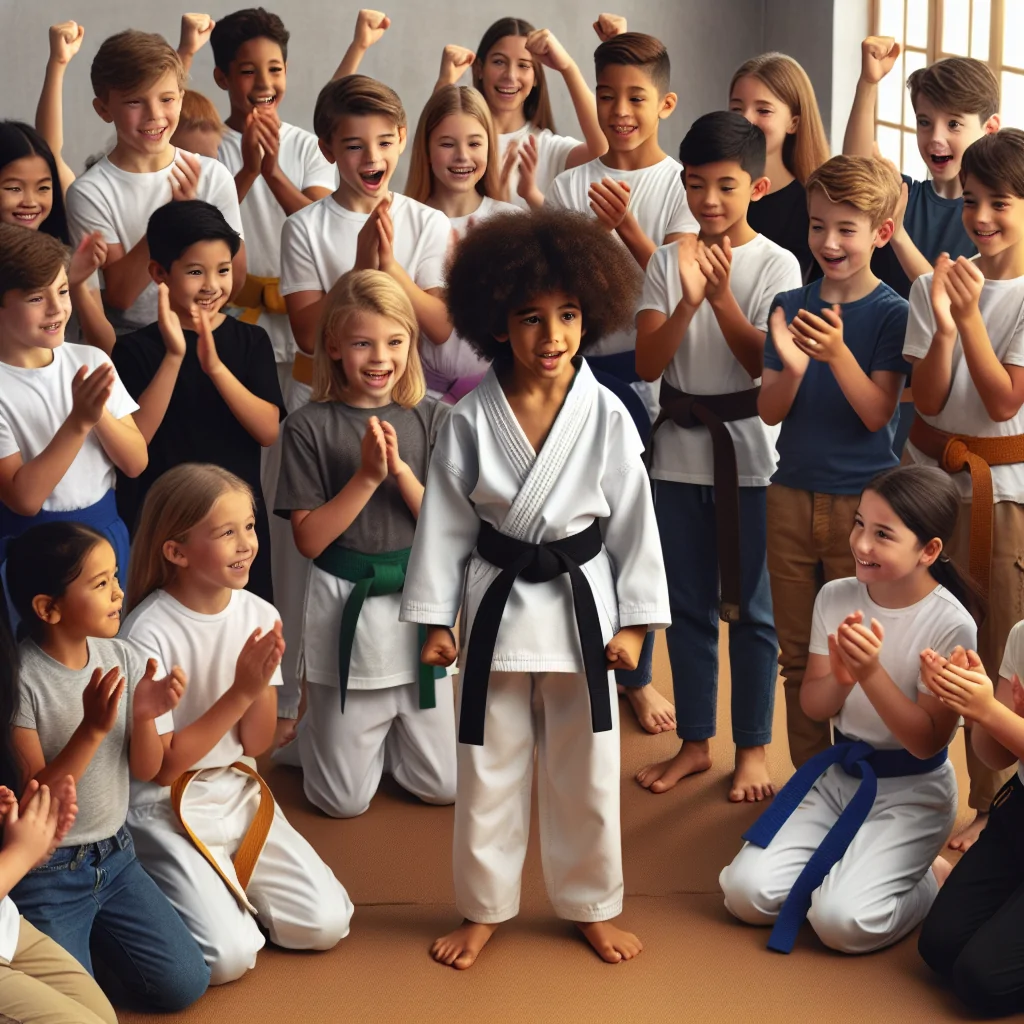
Back-to-School Confidence: Helping Your Shy Child Start the Year Strong
A new school year can bring excitement, but it can also bring uncertainty, especially for a shy or reserved child.
New teachers. New classmates. Unfamiliar routines. Group activities, introductions, and classroom participation can all feel overwhelming when a child is naturally quiet or hesitant in social situations.
The good news is that confidence is not something children either have or lack. It is a skill they can develop through practice, encouragement, and small experiences of success.
For families in Virginia Beach and Chesapeake, Karate for Kids at Changing Lives Martial Arts offers a supportive environment where children can build confidence, self-esteem, focus, and social skills at their own pace. The goal is not to change a child’s personality or force them to become outgoing. It is to help them feel more comfortable being themselves while developing the courage to try, participate, and grow.
Shyness Is Not a Weakness
Some children need more time to warm up to new people and new environments. They may prefer to observe before joining in, speak softly, avoid the spotlight, or worry about making mistakes in front of others.
These traits do not mean a child is incapable or unprepared. Quiet children often have strong listening skills, thoughtfulness, empathy, and creativity. However, they may need intentional opportunities to practice speaking up, working with peers, and handling unfamiliar situations.
A well-structured martial arts class can provide those opportunities without placing a child under overwhelming social pressure.
Instead of being asked to immediately perform in front of a large group, a child can begin with manageable steps:
- Learning how to stand in a ready position
- Following a simple instructor-led movement
- Practicing beside other students
- Partnering with a classmate
- Answering a question during class
- Demonstrating a skill after practicing it
- Helping a newer student later in their journey
Each step creates a new experience of, “I can do this.”
How Karate Builds Real Confidence
Confidence does not come from being told that everything will be easy. It grows when children face a challenge, practice, improve, and recognize their own progress.
Karate gives children a clear path for doing exactly that.
Students learn skills in manageable stages. They practice stances, blocks, strikes, combinations, and forms. As they gain experience, they work toward stripes, belt levels, and other milestones. The process shows children that progress is built one step at a time.
That lesson can be especially meaningful for a shy child who may compare themselves to more outspoken or athletic classmates.
In karate, the focus is not on being the loudest person in the room. It is on personal improvement.
A child may not perform a technique perfectly the first time. They may forget a sequence or feel nervous before demonstrating a skill. With patient instruction and repetition, they learn that mistakes are part of learning, not proof that they should give up.
Over time, those experiences build self-efficacy: the belief that effort can lead to improvement.
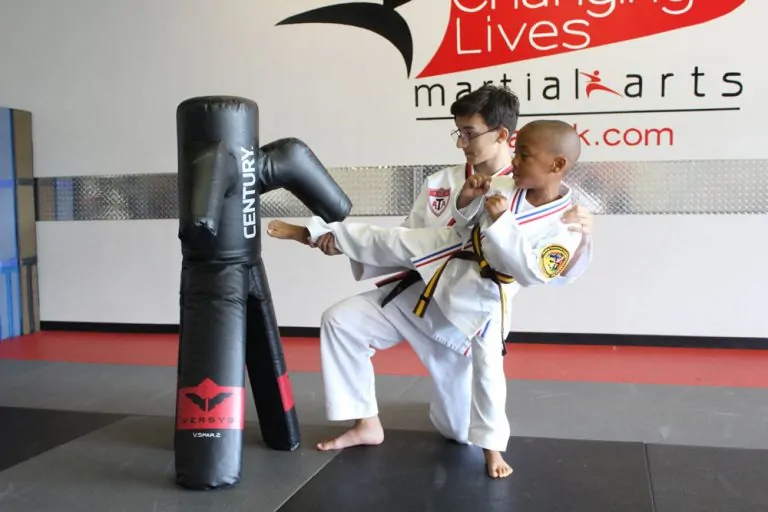
1. Small Wins Strengthen Self-Esteem
For many reserved children, large achievements can feel far away. Small wins are often more powerful.
Completing a new combination, remembering an instructor’s directions, or standing confidently during class may seem like a minor accomplishment. To a shy child, however, these moments can represent meaningful growth.
Parents can help reinforce those wins with specific encouragement:
- “You remembered the whole combination.”
- “You kept practicing even when it felt difficult.”
- “I noticed that you raised your hand today.”
- “You looked nervous, but you tried anyway.”
- “You are making progress because you keep showing up.”
This type of praise connects confidence to effort and persistence rather than natural talent. It helps children understand that they do not have to be perfect to feel proud of themselves.
The Karate for Kids program at Changing Lives Martial Arts is designed to develop life skills that support children at school, at home, and in the community. Its curriculum emphasizes focus, self-control, respect, discipline, and self-esteem alongside physical training.
2. A Predictable Routine Helps Quiet Children Feel Safe
Back-to-school transitions can be difficult because so much feels new. Martial arts classes provide a consistent routine that children can learn and rely on.
Class may include familiar elements such as:
- Entering the training area
- Preparing for instruction
- Listening to the instructor
- Practicing techniques
- Working with classmates
- Reviewing progress
- Closing the class respectfully
Predictability can make it easier for a shy child to participate. When they know what to expect, they can spend less energy worrying about the environment and more energy focusing on the activity.
That sense of structure can also support school routines. Children practice listening, following directions, transitioning between activities, and staying engaged until a task is complete.
The American Academy of Pediatrics explains that martial arts can combine physical activity, body control, mindfulness, goal setting, and competition. For children who are hesitant in social settings, this combination can offer both movement and meaningful structure.
3. Karate Creates Low-Pressure Social Practice
Social confidence grows through repeated, positive interactions.
A child does not have to become instantly talkative to improve their social skills. They can begin by learning how to greet an instructor, stand respectfully beside a peer, take turns, and respond to simple directions.
Karate naturally creates opportunities to practice:
- Eye contact
- Listening
- Turn-taking
- Personal space
- Clear communication
- Respectful touch and movement
- Encouraging others
- Asking for help
Partner drills and group exercises allow children to interact with others around a shared goal. The focus is on learning a skill, not on having to make conversation or perform socially.
As children become more comfortable, they may be willing to participate more actively. They might volunteer to demonstrate a technique, answer a question, help a younger student, or participate in a special event.
Those experiences can transfer to the classroom. A child who has practiced being seen and heard in the dojo may feel more prepared to raise their hand, join a group project, or introduce themselves to a classmate.
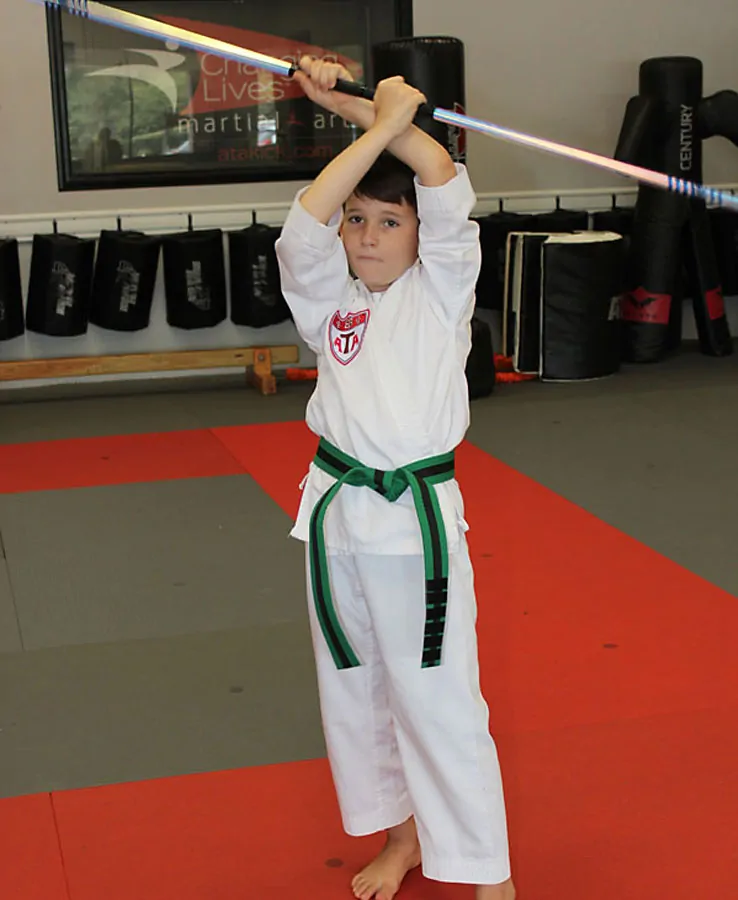
4. The Martial Arts Community Builds Belonging
Children are more likely to take healthy risks when they feel accepted.
At Changing Lives Martial Arts, students of different ages, abilities, and experience levels train in a supportive community. The academy emphasizes personalized instruction and an inclusive approach, helping each student focus on what they can do and how they can continue progressing.
That environment can be especially valuable for a shy child who worries about being judged.
A welcoming instructor can make a significant difference by learning a child’s name, recognizing their effort, offering clear corrections, and celebrating progress. Classmates can also become familiar faces, giving a child the chance to build friendships gradually.
Belonging does not always begin with a best friend. Sometimes it begins with recognizing the same people each week, practicing beside them, and feeling comfortable enough to say hello.
5. Confidence in the Dojo Can Carry Into School
The long-term value of martial arts is not limited to physical techniques.
Children can apply the mindset they develop in class to everyday school challenges:
- A difficult assignment: “I can break it into smaller steps.”
- A new classroom: “I can take a breath and try.”
- A disagreement with a peer: “I can stay calm and communicate clearly.”
- A presentation: “I can prepare and do my best.”
- A mistake: “I can learn from it and try again.”
A systematic review of martial arts programs involving children found improvements in physical fitness, coordination, balance, and related developmental areas. The review also discusses evidence connecting youth martial arts participation with social skills and self-confidence. While martial arts is not a replacement for professional support when a child is experiencing significant anxiety, it can be a constructive part of a child’s overall development.
Parents can strengthen the connection between karate and school by using familiar language at home:
- “What is one small step you can take?”
- “You do not have to know everything right away.”
- “Remember how you learned that form through practice?”
- “Being nervous and being unable are not the same thing.”
- “Let’s focus on progress instead of perfection.”
How Parents Can Support a Shy Child This School Year
If your child is reserved, avoid presenting karate as something they need to do because they are “too shy.” That wording can make a child feel as though their personality is a problem.
Instead, frame martial arts as an opportunity to build skills and discover new strengths.
Before the first class, explain what your child can expect. Visit the facility if possible, introduce them to the instructors, and share any concerns or preferences with the team. A supportive program should be willing to understand your child as an individual.
At home, celebrate consistency rather than demanding immediate transformation. Your child may not become highly outgoing: and that is okay. Look instead for signs of growth:
- Walking into class with less hesitation
- Participating more often
- Making eye contact
- Speaking more clearly
- Trying a new activity
- Recovering more quickly after a mistake
- Showing pride in personal progress
These changes may appear gradually. Confidence is built through repeated experiences of safety, effort, achievement, and encouragement.
Help Your Child Start Strong in Virginia Beach or Chesapeake
A shy child does not need to become someone else to succeed at school. They need support, opportunities to practice, and adults who recognize the strengths already within them.
Karate for Kids can provide a positive foundation for that growth. Through structured instruction, personal goals, supportive peers, and patient coaching, children can develop the confidence to participate more fully at school and in everyday life.
At Changing Lives Martial Arts, programs are tailored for children and families with different needs and abilities. Led by LainaLee Rambow, the academy focuses on developing discipline, confidence, focus, resilience, and character: not just physical technique.
If your child is beginning a new school year in Virginia Beach or Chesapeake, contact Changing Lives Martial Arts to learn more about Karate for Kids and ask about current introductory opportunities. The first step may feel small, but for a quiet child, it can be the beginning of something powerful.